




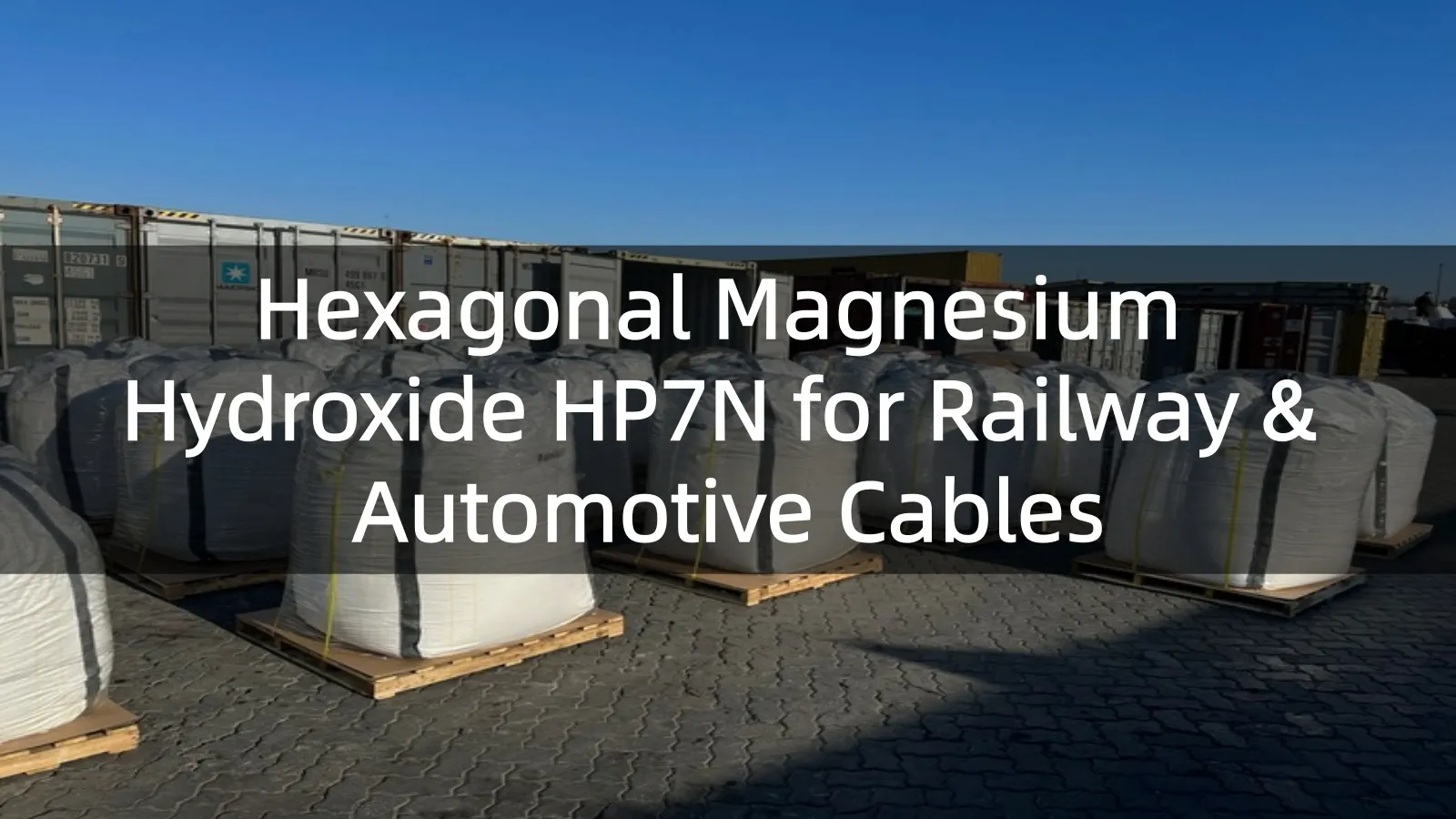
Are you developing flame-retardant compounds for railway cables or automotive wiring systems? Selecting a suitable magnesium hydroxide grade is essential for balancing flame-retardant performance, processing efficiency, and mechanical properties. If the answer is yes, then Hexagonal Magnesium Hydroxide HP7N from DINGXI KMT CO LTD is a material worth evaluating for these demanding cable applications.
With its high Mg(OH)₂ purity, controlled particle size, and KMT patent-coated surface, HP7N is designed for high-performance polymer compounds. It can be considered for cable formulations targeting railway specifications such as EN 50264, EN 50306, ELRS 00 19, and automotive requirements including Auto Type C and Auto Type D Specification as per ISO 6722.
For cable compound manufacturers worldwide, including those serving the Asia-Pacific, European, North American, and Middle Eastern markets, HP7N offers a potential material option for developing halogen-free flame-retardant formulations across different railway and automotive cable applications.
HP7N: A Magnesium Hydroxide Grade for Demanding Cable Applications
HP7N belongs to KMT's Hexagonal Magnesium Hydroxide HP series. Unlike the non-coated HP7 grade, HP7N features a KMT patent-coated surface. This surface treatment is designed to improve dispersion and processing behavior in suitable polymer systems.
According to KMT's Hexagonal Magnesium Hydroxide product information, the HP series is developed for PE, PP, POE, EPDM, EVA, XLPE, PVC, TPU, PA, and ABS-based compounds.
HP7N Product Specifications
| Parameter | HP7N Specification |
|---|---|
| Mg(OH)₂ | ≥99% |
| CaO | ≤0.01% |
| Iron as Fe₂O₃ | ≤0.002% |
| Chloride (Cl⁻) | ≤0.1% |
| Insoluble Matter in Hydrochloric Acid | ≤0.1% |
| Sodium (Na⁺) | ≤0.05% |
| Loss on Ignition | 30–32% |
| Whiteness (R457) | ≥99% |
| Moisture | ≤0.5% |
| BET Surface Area | <7 m²/g |
| Density | 2.3 g/cm³ |
| Particle Size | D50: 1.2–1.6 μm |
| Surface Treatment | KMT patent coated |
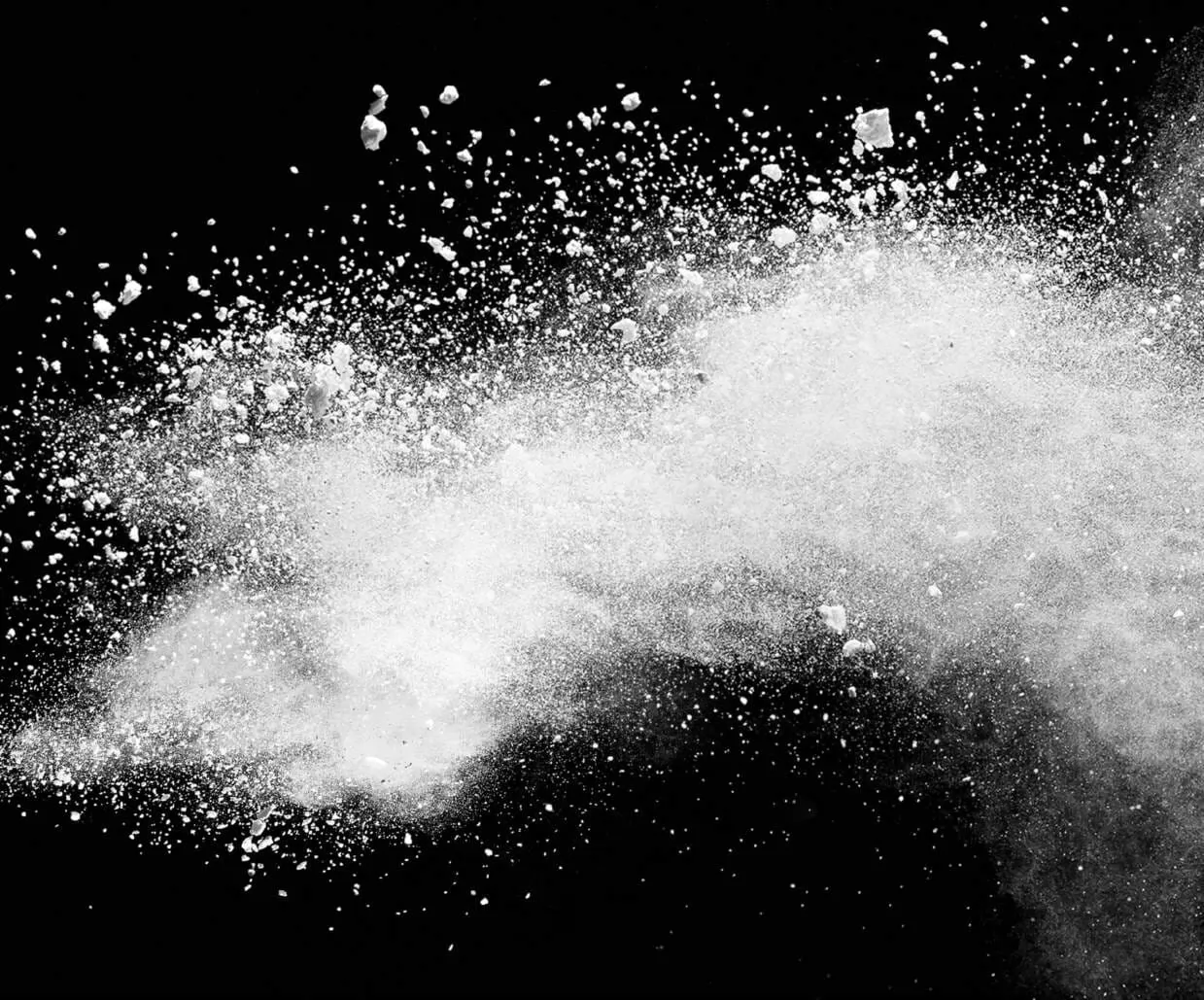
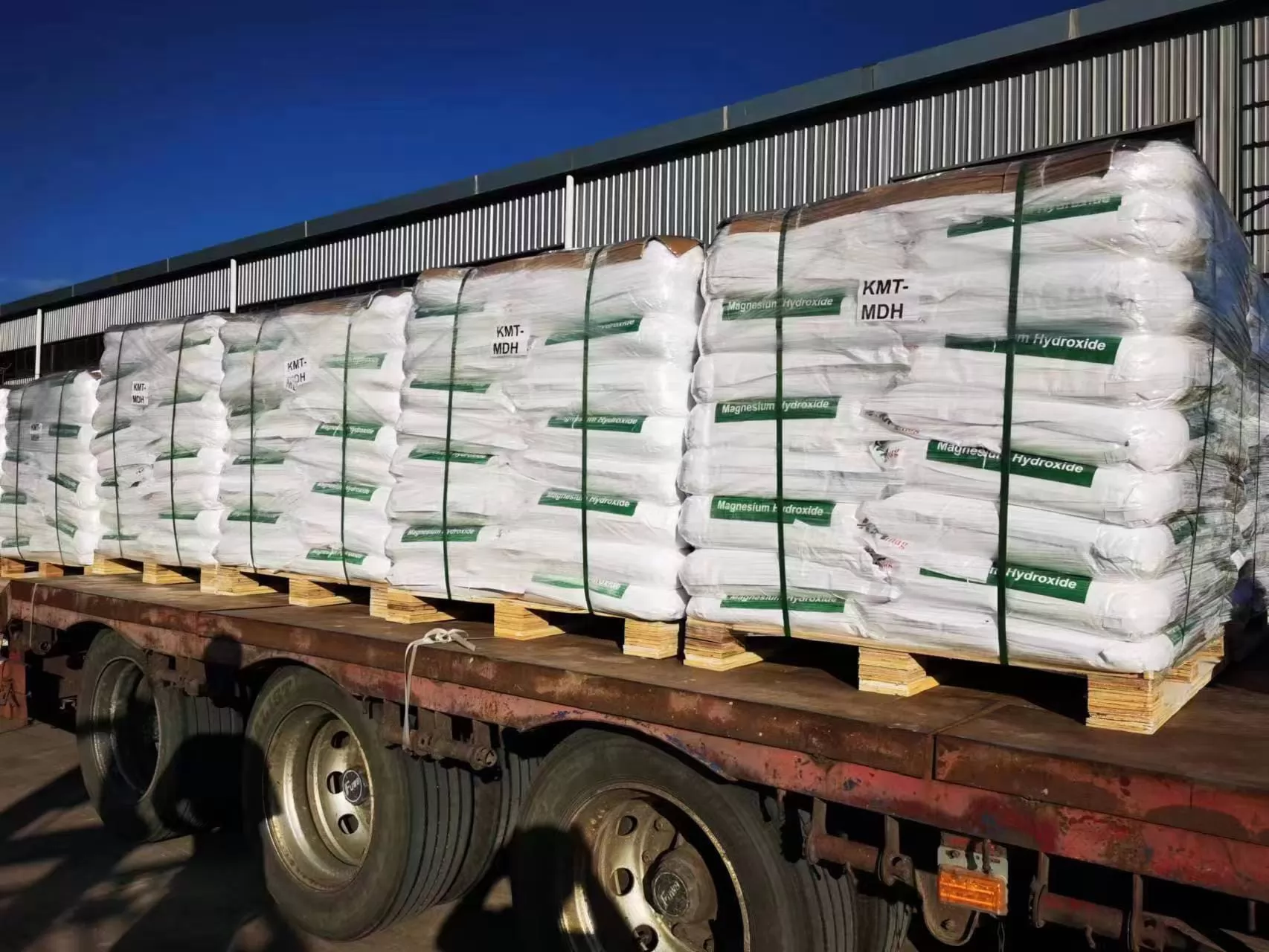
Magnesium hydroxide powder for industrial flame-retardant applications
Key Material Characteristics
- High purity: Mg(OH)₂ content of at least 99% provides a high-purity inorganic flame-retardant ingredient.
- Controlled particle size: D50 of 1.2–1.6 μm supports filler distribution during compound development.
- Surface modification: The KMT patent-coated surface is designed to facilitate dispersion in suitable polymer matrices.
- Processing performance: HP7N is designed to provide lower compounding torque and higher compound melt flow index (MFI).
- Mechanical properties: Its formulation characteristics can help compound developers work toward suitable elongation at break.
These characteristics make HP7N worth evaluating in cable compounds where filler dispersion, processing conditions, and mechanical performance must be considered together. Actual results depend on polymer selection, filler loading, and formulation design.
Railway Cable Applications: HP7N for EN 50264, EN 50306, and ELRS 00 19
Railway cable manufacturing involves specific material and finished-product requirements. Cables used in rolling stock and railway systems must be developed with consideration for fire behavior, smoke characteristics, mechanical properties, and operating conditions.
For compound manufacturers supplying railway cable producers, selecting a suitable flame-retardant additive is an important part of formulation development. Magnesium hydroxide is one option for halogen-free flame-retardant systems, and HP7N can be evaluated in polymer compounds intended for relevant railway cable applications.
Highlight Railway Specification Such compounds as per EN 50264, EN 50306, ELRS 00 19
HP7N in Railway Cable Compound Development
For railway cable formulations targeting the above specifications, manufacturers should evaluate the following factors:
- Flame-retardant performance: Assess HP7N loading and its contribution to the fire performance of the complete polymer compound.
- Smoke characteristics: Consider the finished compound's smoke generation and other applicable fire-related test requirements.
- Mechanical performance: Test tensile strength, elongation at break, and flexibility after compounding and cable processing.
- Thermal processing: Check compatibility with the extrusion temperature and processing conditions of the selected polymer system.
- Dispersion quality: Evaluate filler distribution throughout the polymer matrix to maintain consistent compound properties.
Railway cable demand extends across major infrastructure markets, including Germany, France, India, the United States, and other countries investing in railway development. Manufacturers serving these markets need to consider the applicable railway specifications, cable construction, and project-specific testing requirements when selecting flame-retardant additives.
HP7N is a material option for this development process, rather than a standalone certification solution. Compliance with EN 50264, EN 50306, or ELRS 00 19 must be established through testing of the finished cable against the applicable requirements.
Explore KMT Wire and Cable Solutions for more information about magnesium hydroxide grades for cable compound applications.
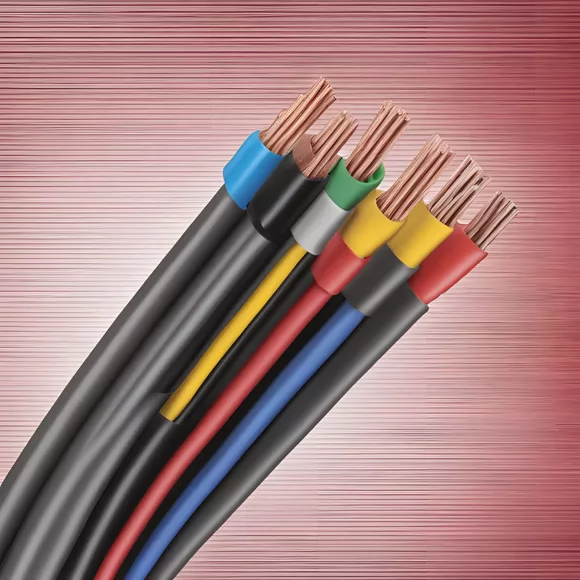
Automotive Cable Applications: HP7N for Auto Type C and Auto Type D
Automotive wiring systems require cable compounds that can withstand demanding service conditions. Depending on their installation location, automotive cables may be exposed to temperature changes, vibration, mechanical stress, and contact with automotive fluids.
Flame-retardant additive selection must therefore account for more than fire performance alone. Compound manufacturers also need to consider flexibility, thermal aging, mechanical properties, and processing stability.
Automotive Auto Type C and Auto Type D Specification as per ISO 6722
Evaluating HP7N for Automotive Wiring Compounds
DINGXI KMT CO LTD recommends evaluating Hexagonal Magnesium Hydroxide HP7N for automotive cable compound formulations targeting Auto Type C and Auto Type D requirements.
Its high purity and KMT patent-coated surface make it a candidate for formulation trials in suitable polymer systems. Key evaluation points include:
- Thermal performance: Confirm that the finished compound can withstand the required operating and aging temperatures.
- Mechanical flexibility: Evaluate tensile strength and elongation after the addition of the flame-retardant filler.
- Processing behavior: Assess compound flow, extrusion stability, and dispersion during production.
- Flame-retardant performance: Verify the required fire behavior of the finished automotive cable.
- Formulation consistency: Maintain stable material proportions and processing conditions between production batches.
From automotive manufacturing centers in Germany, the United States, Japan, South Korea, and India to emerging production markets across Southeast Asia and Latin America, cable compound manufacturers need materials that can be adapted to different automotive wiring requirements.
HP7N can be evaluated as part of the formulation development process for these applications. The performance of the additive should be distinguished from compliance of the finished cable. Final suitability must be verified against the applicable ISO 6722 edition and its relevant requirements.
HP7N Applications Across Global Cable Markets
Railway infrastructure, automotive manufacturing, and industrial cable production create demand for specialized flame-retardant materials across global markets. Major industrial regions such as Asia-Pacific, Europe, North America, and Latin America all have established or developing wire and cable manufacturing industries.
Countries including India, Germany, the United States, Brazil, Japan, and Turkey represent different railway, automotive, and industrial manufacturing markets. Although application requirements vary by country and project, manufacturers share the need to select suitable flame-retardant additives based on polymer compatibility, processing conditions, and applicable industry specifications.
Hexagonal Magnesium Hydroxide HP7N from DINGXI KMT CO LTD can be evaluated by manufacturers worldwide developing halogen-free flame-retardant compounds for railway and automotive cable applications.
Railway Cable Manufacturing
Railway cable producers worldwide must consider the fire performance, smoke characteristics, mechanical properties, and operating conditions of their products. Depending on the target application and market, manufacturers may need to meet specific railway cable requirements, including EN 50264, EN 50306, and ELRS 00 19.
HP7N can be evaluated as a flame-retardant ingredient in suitable polymer compounds developed for these applications. Its suitability should be verified through formulation trials and finished-cable testing.
Automotive Cable Manufacturing
The global automotive industry requires cable materials that can maintain reliable performance under different operating conditions. Automotive cable compound manufacturers need to balance flame-retardant performance with flexibility, thermal stability, mechanical properties, and processing efficiency.
For formulations targeting Auto Type C and Auto Type D Specification as per ISO 6722, HP7N is a material option worth evaluating. Manufacturers should confirm the applicable specification and validate the finished cable through the required tests.
Whether serving customers in Asia, Europe, North America, South America, the Middle East, or other regions, cable compound manufacturers can contact DINGXI KMT CO LTD to discuss HP7N specifications and application requirements.
Why Work with DINGXI KMT CO LTD?
DINGXI KMT CO LTD is part of KMT's magnesium hydroxide and aluminum hydroxide manufacturing operations. Established in 2018, the Dingxi facility focuses on high-purity magnesium hydroxide and aluminum hydroxide production, with an annual production capacity of 30,000 tons.
As part of KMT Industrial's manufacturing and technical network, Dingxi KMT supports customers looking for flame-retardant materials for different polymer and industrial applications.
Specialized Product Manufacturing
KMT's product portfolio includes Hexagonal Magnesium Hydroxide, Precipitated Magnesium Hydroxide, Hydromagnesite, Brucite Powder, and Aluminum Hydroxide. These materials serve different flame-retardant and functional filler applications.
Quality Management
KMT's manufacturing facilities hold ISO 9001, ISO 14001, and ISO 45001 certifications. Its products comply with RoHS requirements and have EU REACH registration, supporting customers serving international markets.
Technical Assistance and Formulation Support
Material selection is only one part of cable compound development. Polymer compatibility, additive loading, mixing conditions, dispersion, and final cable construction all affect the finished product.
KMT provides formulation support, laboratory trials, testing, and analysis assistance to help customers evaluate materials in their specific applications.
International Supply Capabilities
KMT serves international customers across multiple industrial markets, supporting manufacturers involved in flame-retardant materials and polymer compound production. Its products are relevant to customers in Asia-Pacific, Europe, North America, South America, and other regions.
Whether supplying cable compound manufacturers in India, automotive material producers in Germany, or industrial customers in the United States, KMT aims to support different application requirements through product supply and technical assistance.
Visit KMT Industrial to learn more about its manufacturing facilities, company history, and technical capabilities.
Frequently Asked Questions
1. What is Hexagonal Magnesium Hydroxide HP7N?
HP7N is a synthetic hexagonal magnesium hydroxide flame retardant with a KMT patent-coated surface. It contains at least 99% Mg(OH)₂ and has a D50 particle size of 1.2–1.6 μm. It is designed for selected halogen-free polymer compound applications.
2. What is the difference between HP7 and HP7N?
Both grades have an Mg(OH)₂ purity of at least 99% and a D50 particle size of 1.2–1.6 μm. The main difference is their surface treatment: HP7 is non-coated, while HP7N features KMT patent coating.
3. Can HP7N be used in railway cable compounds?
HP7N can be evaluated in suitable railway cable compound formulations targeting EN 50264, EN 50306, and ELRS 00 19. The finished cable must undergo the relevant testing to establish compliance.
4. Is HP7N suitable for automotive cable applications?
HP7N is a material option for automotive cable compound development, including formulations targeting Auto Type C and Auto Type D Specification as per ISO 6722. Final suitability depends on the formulation and finished-cable test results.
5. Which polymers can HP7N be used in?
KMT lists PE, PP, POE, EPDM, EVA, XLPE, PVC, TPU, PA, and ABS among the polymer systems for its HP series. Specific compatibility should be confirmed through formulation trials.
6. Can KMT provide technical support for HP7N formulation development?
Yes. KMT provides formulation support, laboratory trials, testing, and analysis assistance to help customers evaluate the material in their target polymer compounds.
Contact DINGXI KMT CO LTD for HP7N Technical Support
Developing railway and automotive cable compounds requires careful consideration of flame-retardant performance, mechanical properties, and processing requirements. Hexagonal Magnesium Hydroxide HP7N provides a high-purity, KMT patent-coated material option for manufacturers working on these applications.
Whether your project involves railway cables, automotive wiring, or other industrial cable applications, DINGXI KMT CO LTD can help you evaluate HP7N for your formulation needs.
Contact KMT Industrial to request product information, discuss your cable compound requirements, and explore technical support for your next development project.