






.png)

Magnesium Hydroxide for EPDM Rubber: Benefits, Dosage, and Tips
Introduction
Ethylene Propylene Diene Monomer (EPDM) rubber is widely celebrated for its exceptional resistance to heat, ozone, weathering, and electrical aging. These properties make it the go-to material for heavy-duty applications like automotive seals, window gaskets, and industrial wire and cable compounding.
However, raw EPDM is inherently flammable. As global regulatory bodies tighten safety and environmental standards, the industry is rapidly shifting away from toxic halogenated flame retardants toward Halogen-Free Flame Retardant (HFFR) alternatives. Among these eco-friendly solutions, Magnesium Hydroxide has emerged as the premier choice, providing a perfect balance of superior fire protection, effective smoke suppression, and environmental compliance.
While the mandate for non-toxic, halogen-free additives is clear, rubber compounders face a steep engineering challenge: modifying EPDM without compromising its physical integrity. Traditional eco-friendly fillers often require high loading levels that can destroy cross-linking efficiency, leaving the rubber brittle or difficult to process. To overcome this obstacle, manufacturers must look closely at how a flame retardant interacts with the rubber matrix under extreme heat. This is precisely where the unique thermal and chemical capabilities of Magnesium Hydroxide come into play.
This comprehensive guide explains how Magnesium Hydroxide acts as an eco-friendly, high-thermal-stability flame retardant for EPDM rubber in automotive, cable applications and so on, detailing optimal dosage, and processing tips.
TABLE OF CONTENTS
2. Key Benefits
6. FAQ
7. Conclusion
1. Why EPDM Needs MDH
When exposed to fire, EPDM rubber burns rapidly, generating intense heat and thick, dense smoke. To prevent this, compounders must introduce an additive that can disrupt the combustion cycle without ruining the rubber's natural resilience.
Magnesium Hydroxide (MDH) works through a highly efficient endothermic decomposition mechanism. When temperatures reach approximately 330°C, MDH undergoes a thermal breakdown:
Mg(OH)₂ → MgO + H₂O
This reaction absorbs a massive amount of heat from the fire source, effectively cooling the rubber matrix. Simultaneously, it releases chemically bound water vapor that dilutes oxygen and combustible gases surrounding the flame. After decomposition, it leaves behind a robust Magnesium Oxide (MgO) char layer on the surface of the EPDM, acting as a physical shield against heat and oxygen transfer.
The Advantage Over ATH
While Aluminum Trihydroxide (ATH) is another popular halogen-free choice, it begins to decompose at a mere 200°C. EPDM rubber compounding and vulcanization often require higher processing temperatures. ATH can easily decompose prematurely during extrusion or molding, leading to blistering and structural defects. With a thermal stability window extending up to 330°C, Magnesium Hydroxide allows for much higher processing temperatures and a wider, safer manufacturing window.
2. Key Benefits
Integrating Magnesium Hydroxide into your EPDM formulations delivers critical performance upgrades:
Excellent Flame Retardancy: It successfully helps compounds meet stringent fire safety standards, such as achieving a UL94 V-0 rating or passing vertical burn tests for transit and construction specifications.
Superior Smoke Suppression: Unlike halogenated additives that emit thick black smoke and toxic gases (like HCl or HBr), MDH significantly drops the smoke density and eliminates toxic acid emissions.
Acid Neutralization: The basic nature of Magnesium Hydroxide allows it to absorb and neutralize acidic gases generated during the aging or burning of other polymer matrix components, protecting expensive manufacturing machinery from corrosion.
3. Optimal Dosage
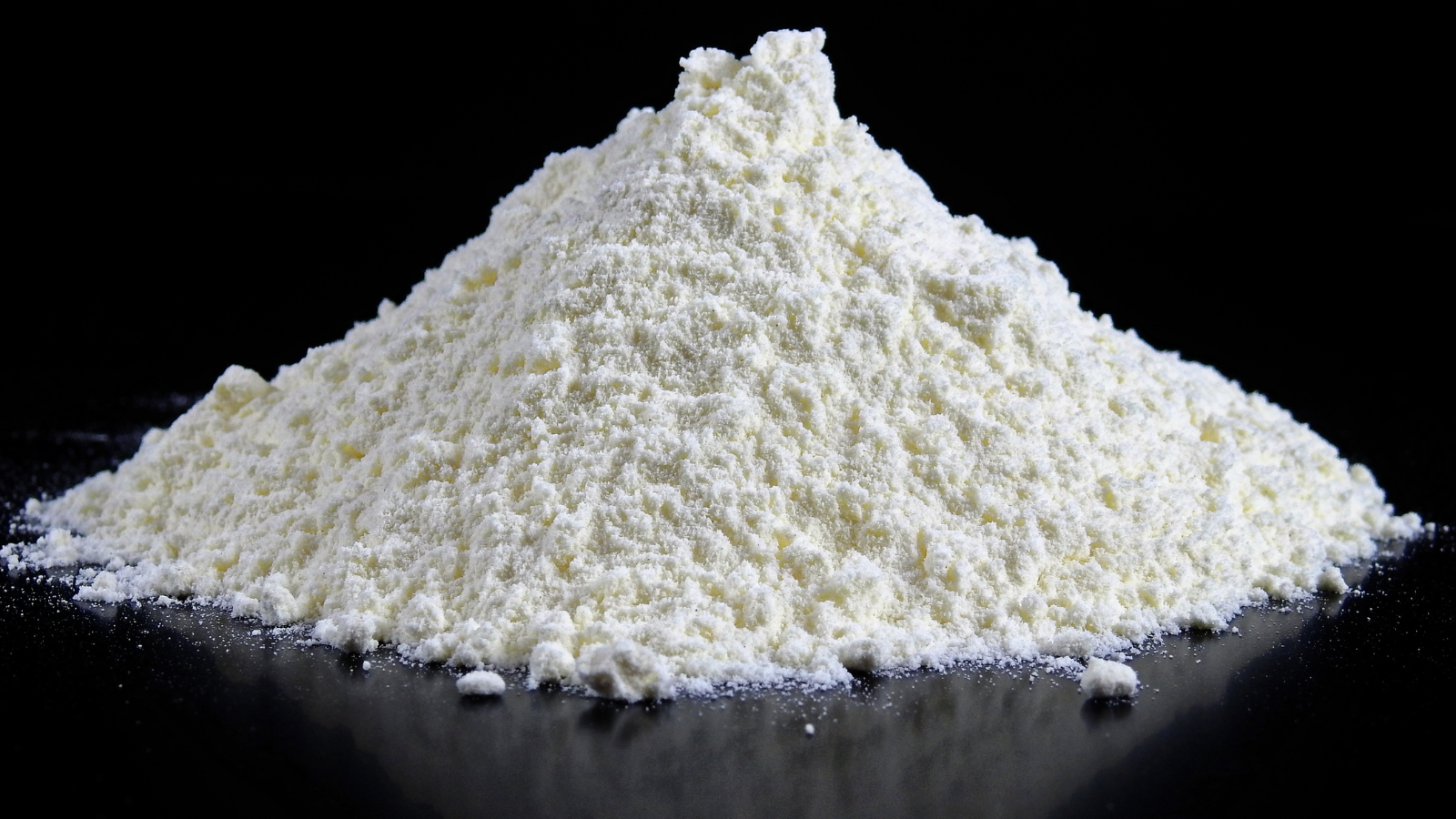
Achieving optimum flame retardancy in EPDM rubber requires a significant loading of Magnesium Hydroxide. Depending on your target safety rating (such as UL94 V-0 or severe cable jacket test standards), typical dosage levels range from 50 to 150 phr (parts per hundred rubber).
However, high inorganic filler loading introduces a known engineering trade-off: it can degrade the physical and mechanical properties of the EPDM, resulting in lower tensile strength, reduced elongation at break, and poor compound flow during processing.
The Solution: Surface Modification
To balance fire safety with high mechanical performance, utilizing surface-modified Magnesium Hydroxide is crucial. Treating the mineral surface with custom silanes or fatty acids alters the material from hydrophilic to hydrophobic. This modification drastically improves compatibility with the non-polar EPDM matrix, ensuring homogeneous dispersion, reducing compound viscosity, and preserving the physical flexibility of the final rubber product.
4. Processing Tips
To maximize the efficacy of Magnesium Hydroxide in your EPDM compounding line, consider the following technical practices:
Optimize the Mixing Sequence: When using an internal mixer (Banbury), implement an upside-down or split-addition mixing method. Adding the polymer first, followed by a portion of the carbon black and the surface-treated MDH, prevents large agglomerates and ensures a smooth, well-dispersed batch.
Control Internal Shearing Heat: Even though MDH is stable up to 330°C, excessive frictional shear in heavy formulations can spike internal temperatures. Monitor mixing speeds to maintain a steady compounding temperature, preserving the integrity of both your polymer chains and your peroxide or sulfur curing packages.
Match Extrusion Parameters: Adjust your extruder zone temperatures and die pressure to accommodate the filled compound. Surface-modified grades significantly lower die drool and improve the surface finish of extruded profiles and cable jackets.
5. Why Choose KMT
For global rubber modification plants, automotive component procurers, and cable technical directors, choosing the right material partner is as critical as the recipe itself. KMT is an industry-leading manufacturer specializing in high-purity, high-performance Magnesium Hydroxide tailored specifically for the rubber and plastics industries.
Advanced Surface Modification Technology: KMT offers customized surface treatments designed specifically to eliminate dispersion bottlenecks in highly filled EPDM applications, ensuring your compounds retain excellent tensile strength and flexibility.
Strict Regulatory Compliance: All MDH products supplied by KMT are fully certified under REACH and RoHS standards, meeting rigorous international eco-audits and giving you a smooth path into strict overseas markets.
Reliable OEM/ODM Factory Sourcing: As a direct source factory, KMT offers premium, consistent particle size distributions at highly competitive wholesale pricing, ensuring your product formulations remain both robust and cost-effective.
Explore our dedicated product lines and technical sheets on the official KMT Official Website.
6. FAQ
7. Conclusion
Magnesium Hydroxide represents the gold standard for producing safe, eco-friendly, and high-performing flame retardant EPDM rubber compounds. By managing your dosage levels, optimizing your mixing workflow, and utilizing treated mineral surfaces, you can seamlessly navigate the balance between flame protection and mechanical performance.
Are you ready to optimize your EPDM rubber formulation or source high-purity, compliant flame retardants directly from the manufacturer? Contact the engineering experts at KMT today through the KMT Official Website to request a customized product consultation, grab the latest TDS/MSDS documents, or secure a competitive bulk quote for your factory.
Your Name*
Your Email*
-
2026-Sep-03Nonlinear Flame-Retardant Synergism of Antimony Trioxide in Flexible PVCLearn how antimony trioxide improves flame retardancy in flexible PVC, with LOI data, ATO loading effects, synergistic mechanisms, and efficiency limits beyond 2 phr.
-
2026-Aug-06Improving LOI (Limiting Oxygen Index) with Magnesium HydroxideMagnesium Hydroxide as an effective low smoke flame retardant solution, offering excellent heat absorption, smoke suppression, and halogen-free performance for cable compounds, polymer materials, and industrial applications requiring enhanced fire safety and environmental compliance.
-
2026-Jul-20Magnesium Hydroxide for EPDM Rubber: Benefits, Dosage, and TipsThis comprehensive guide explains how Magnesium Hydroxide acts as an eco-friendly, high-thermal-stability flame retardant for EPDM rubber in automotive and cable applications, detailing optimal dosage, processing tips, and the premium surface-modified solutions offered by KMT.


-

 +86-931-7653361
 Room 1212, 1213, Jinhe Building, No. 1264 Beibinhe West Road, Anning District, Lanzhou City, Gansu Province, China.


-
Quick Links
-
Products


